By Caroline Scott, CGISA Marketing Manager
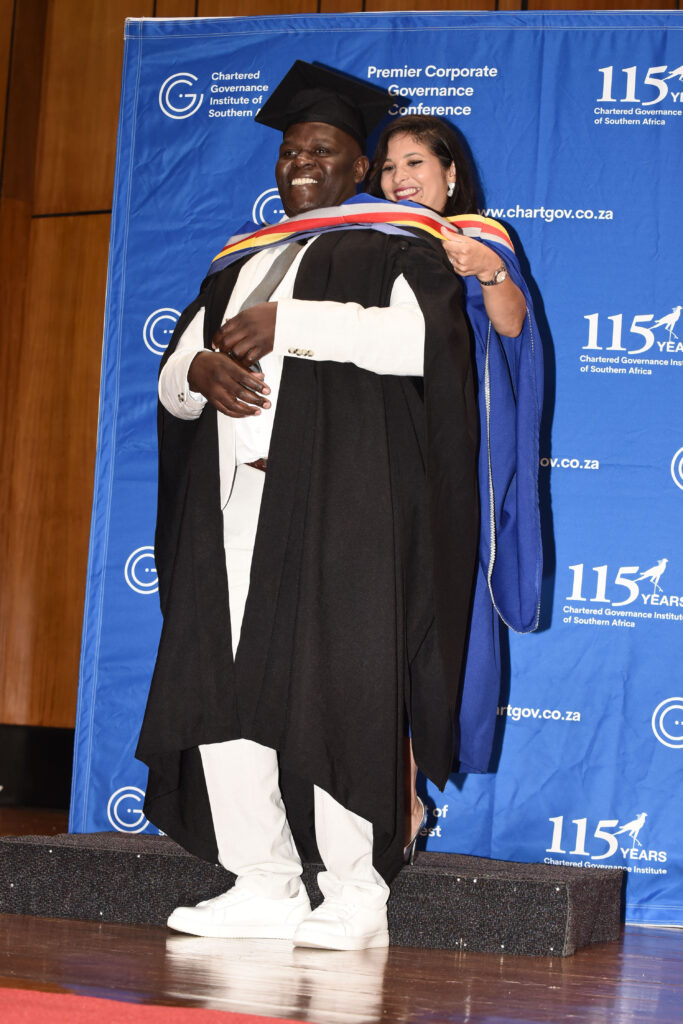
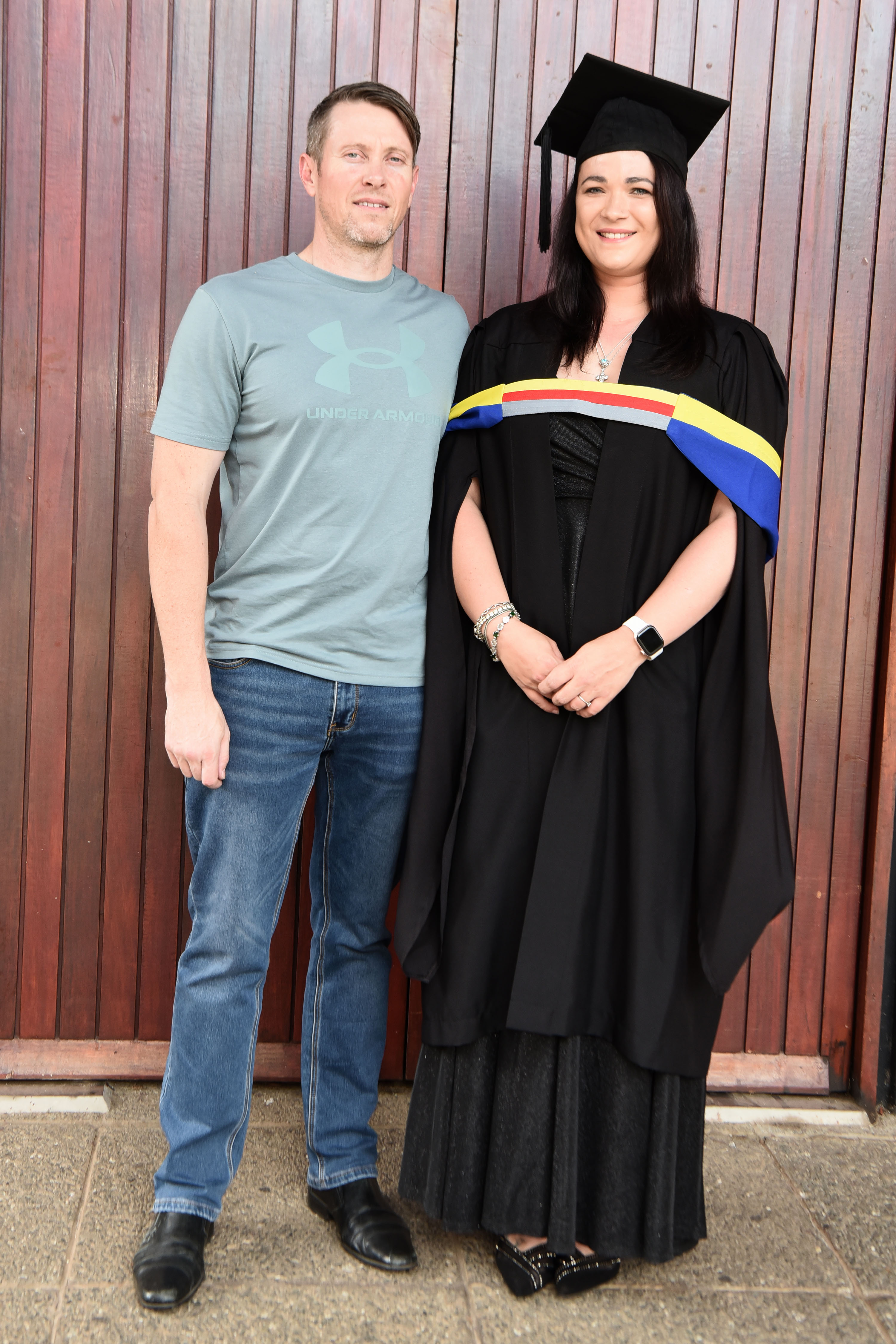
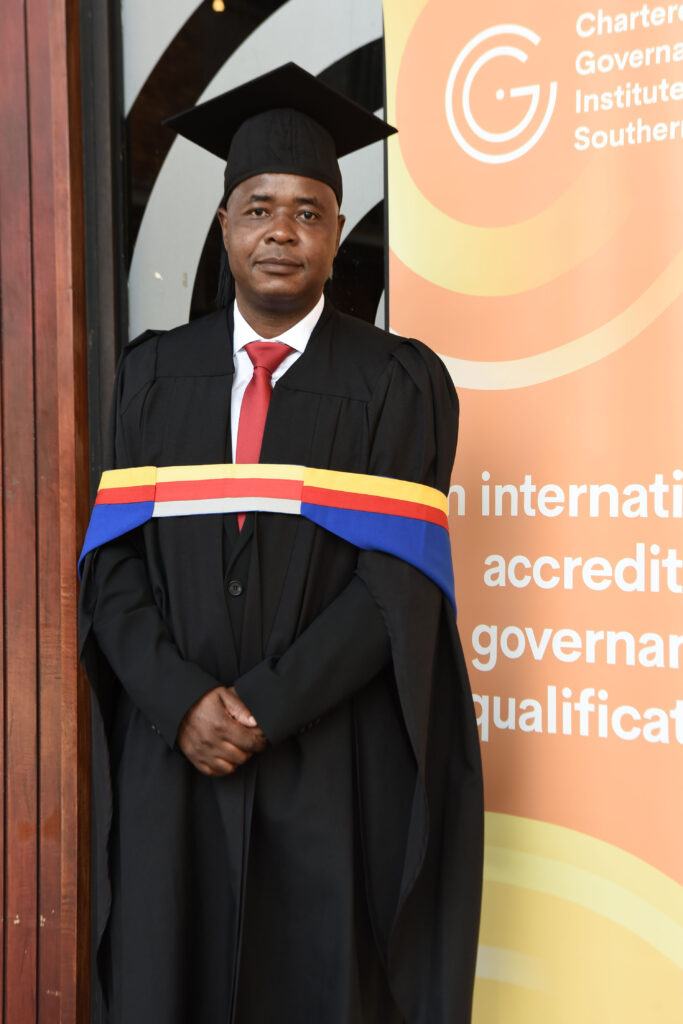
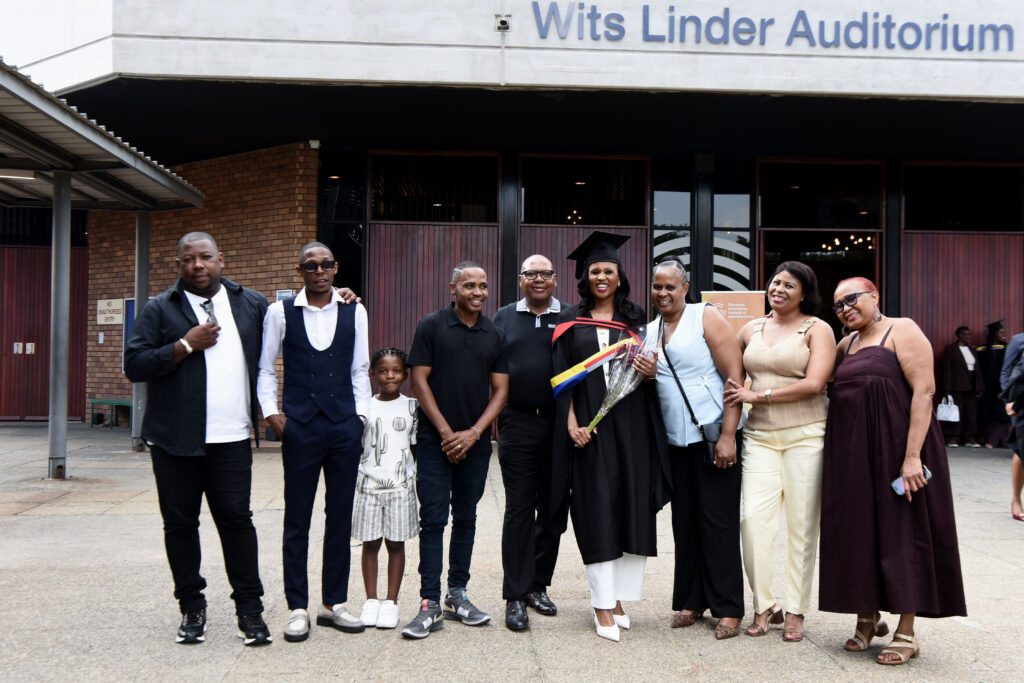
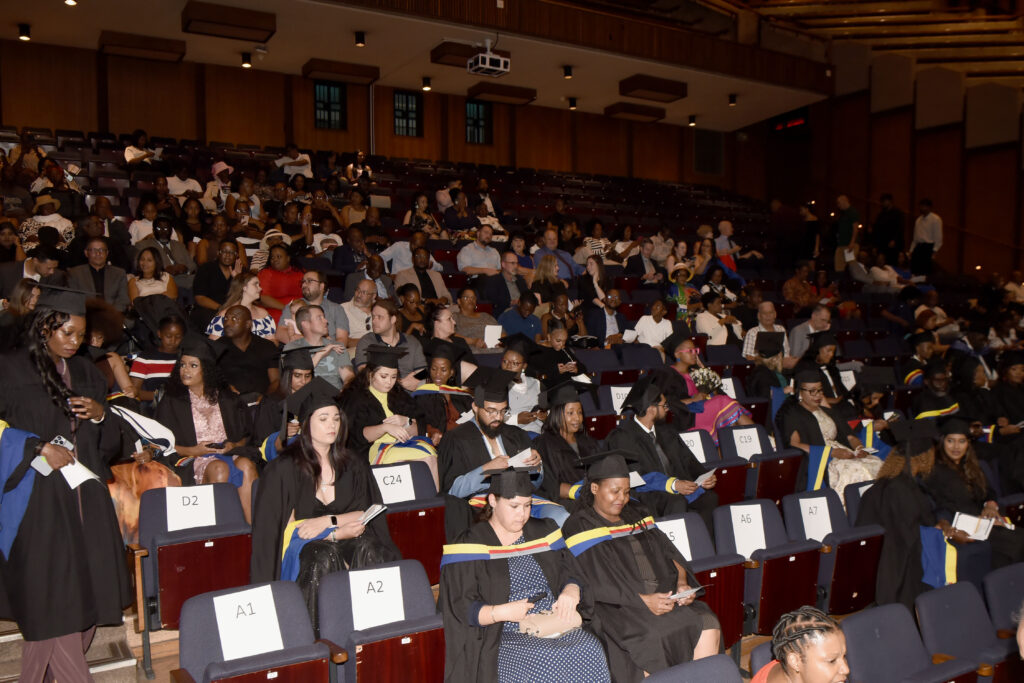
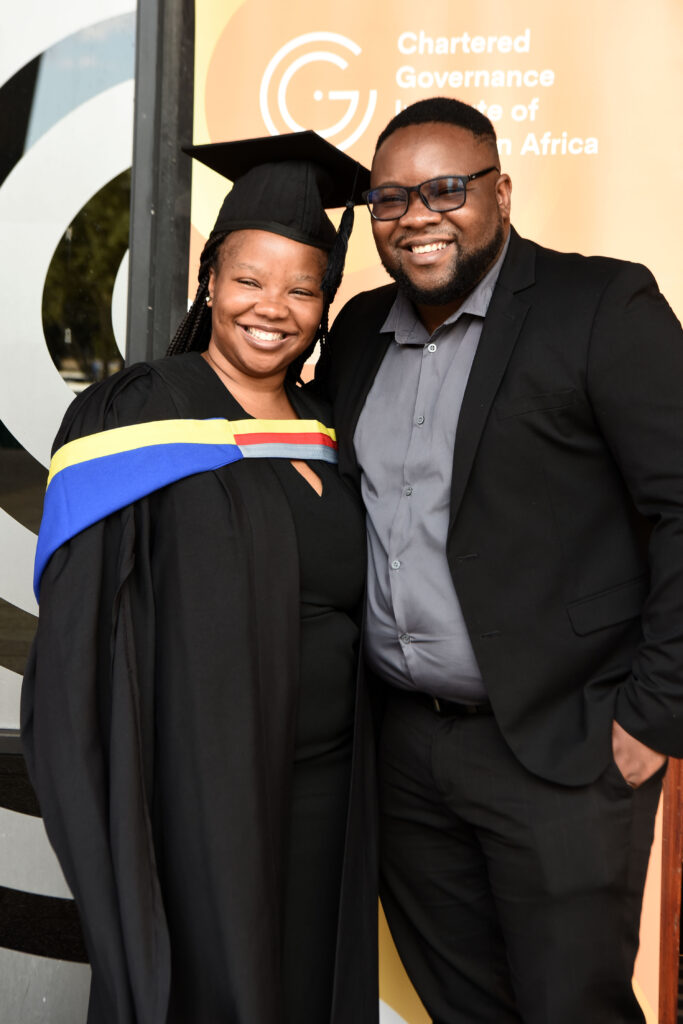
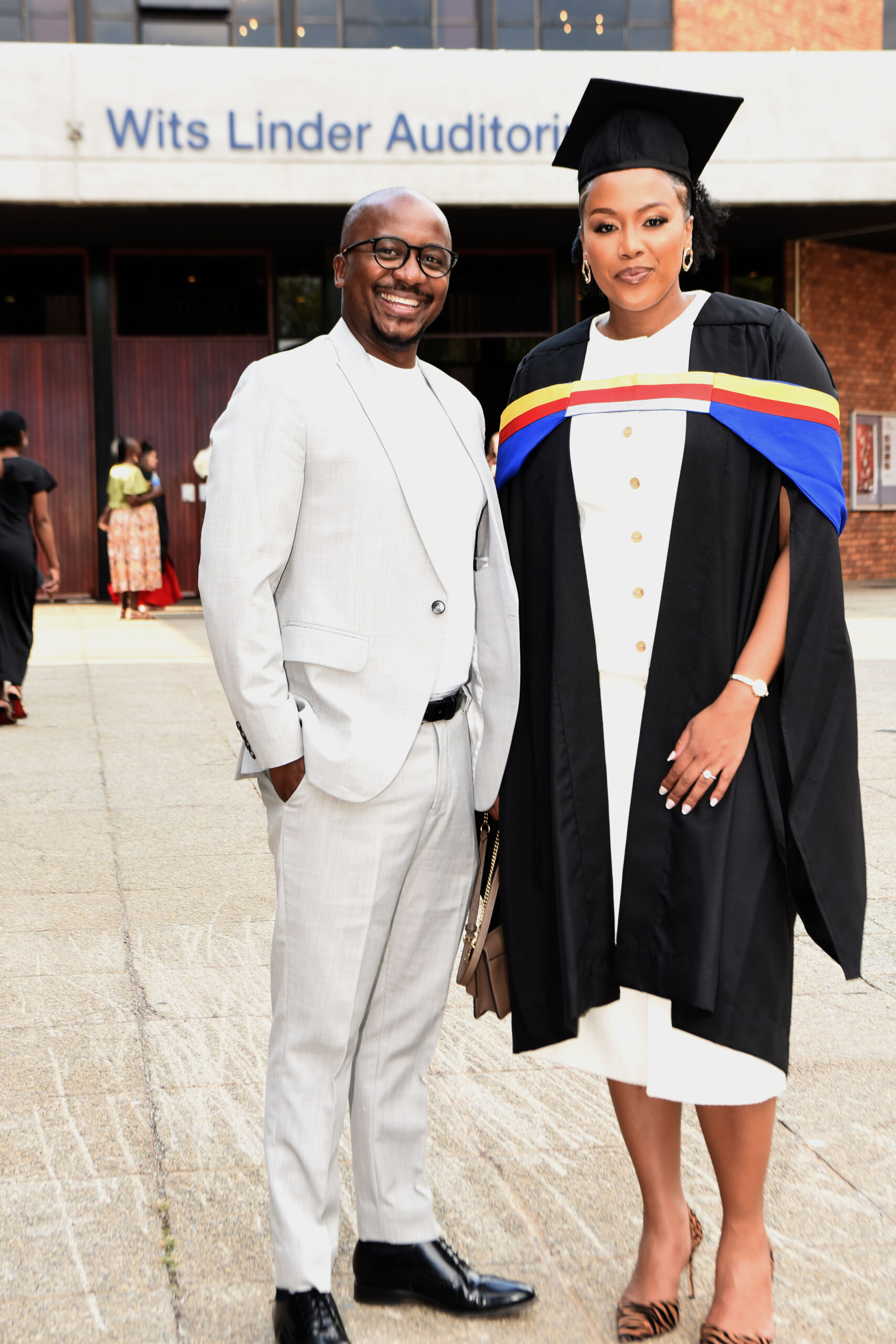
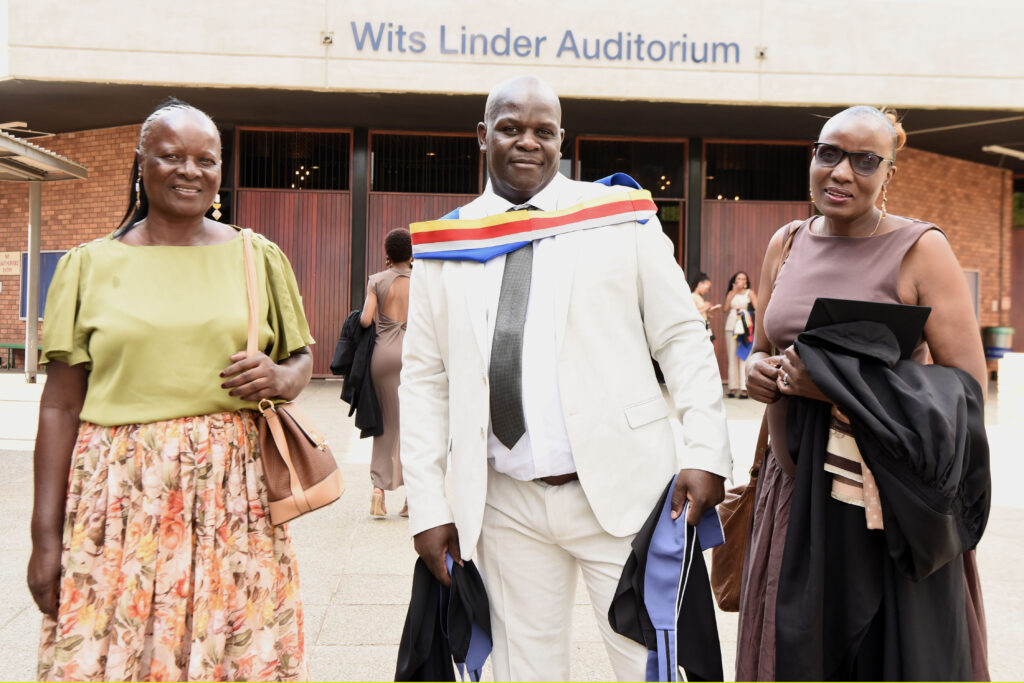
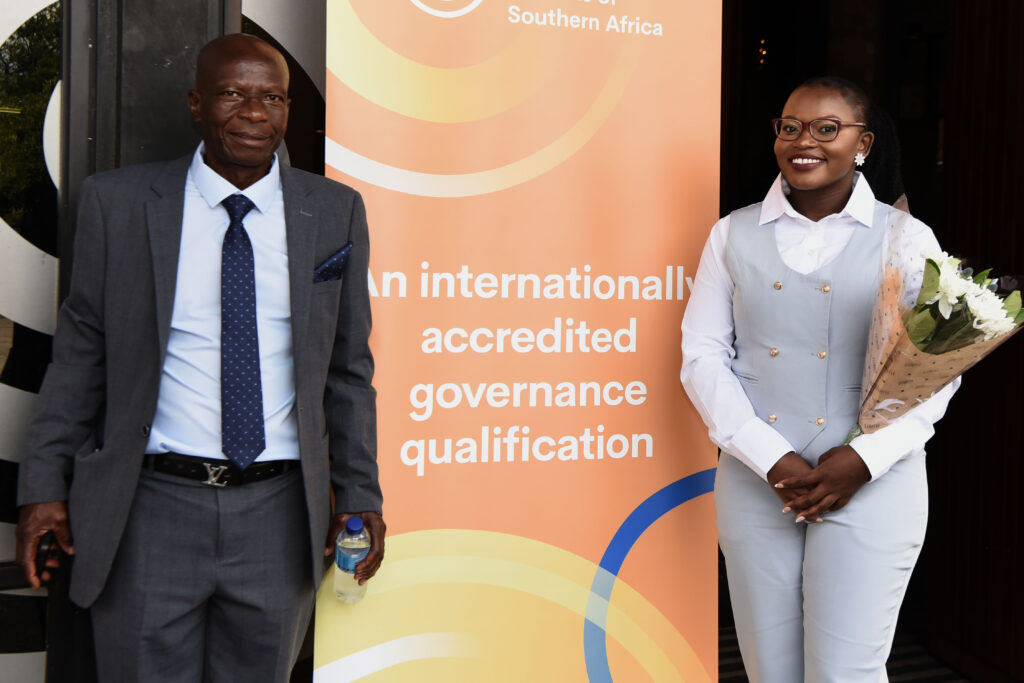
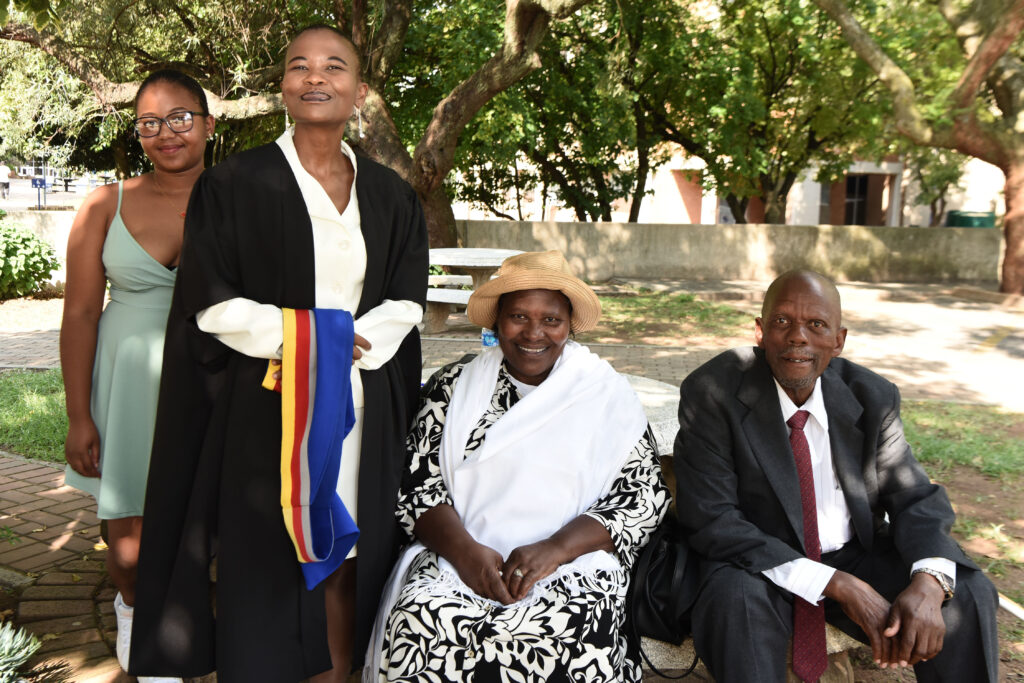
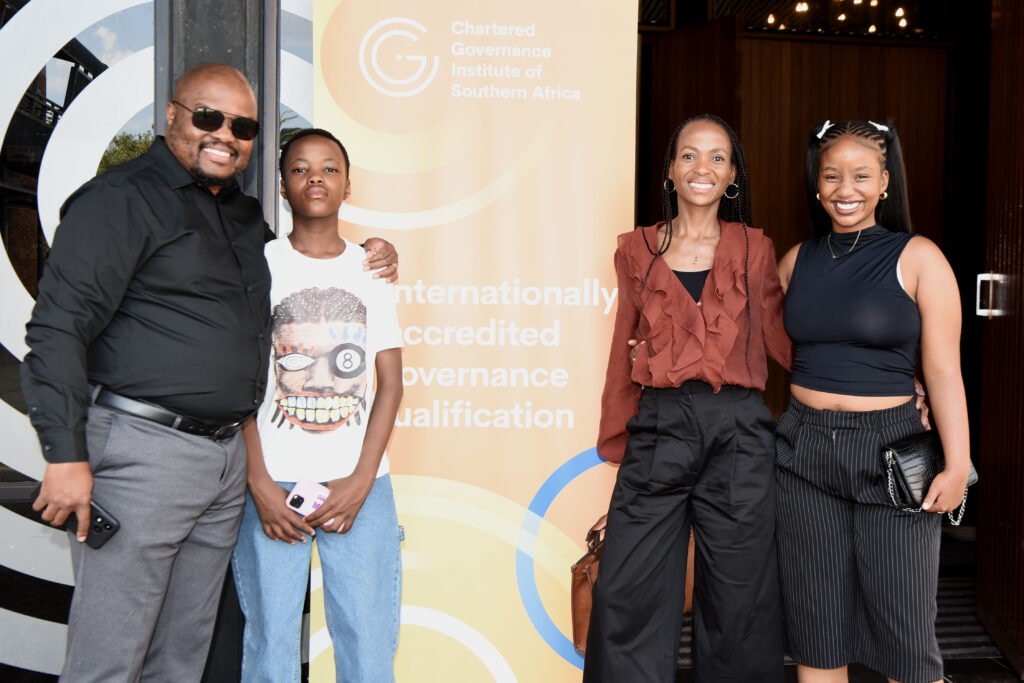
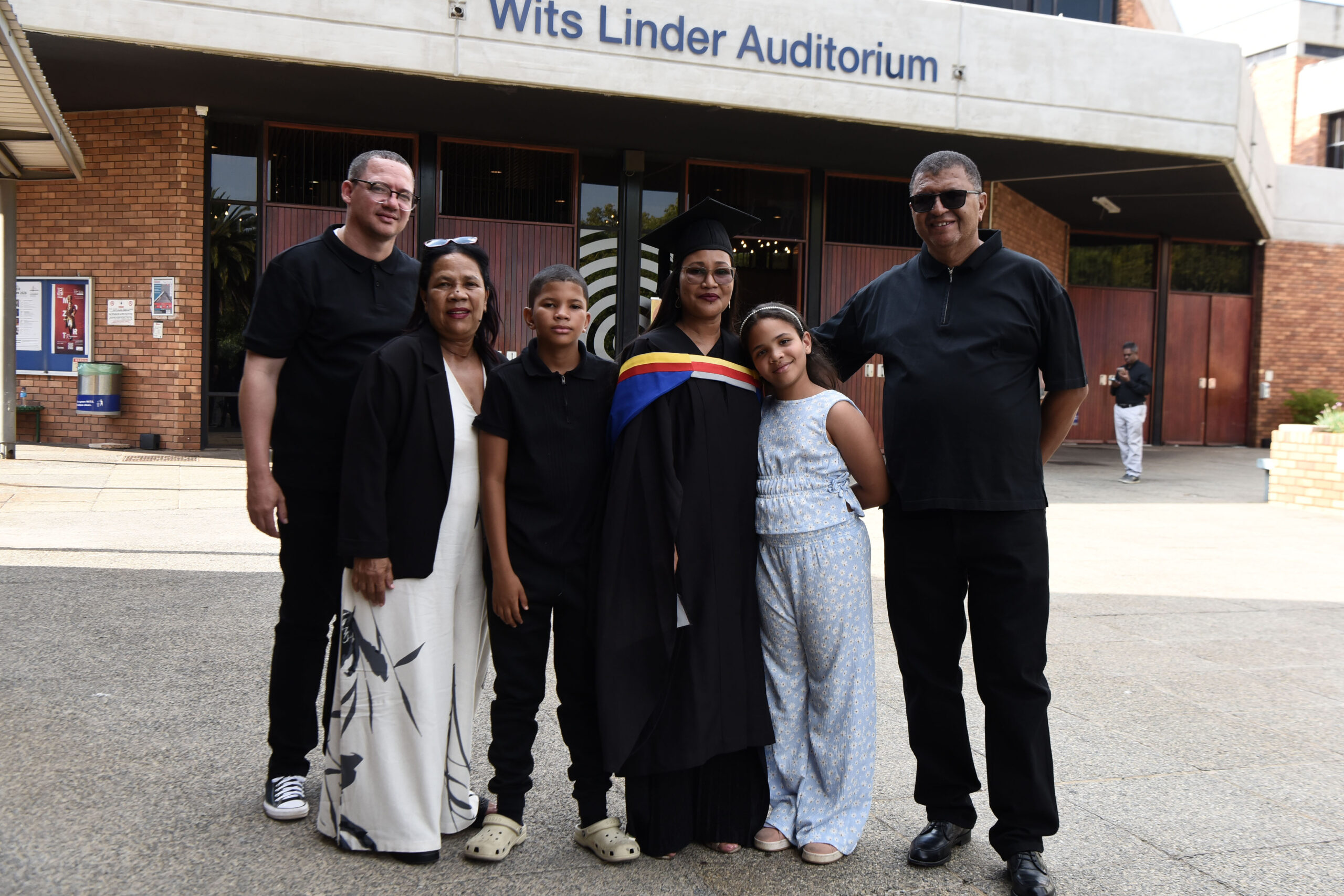
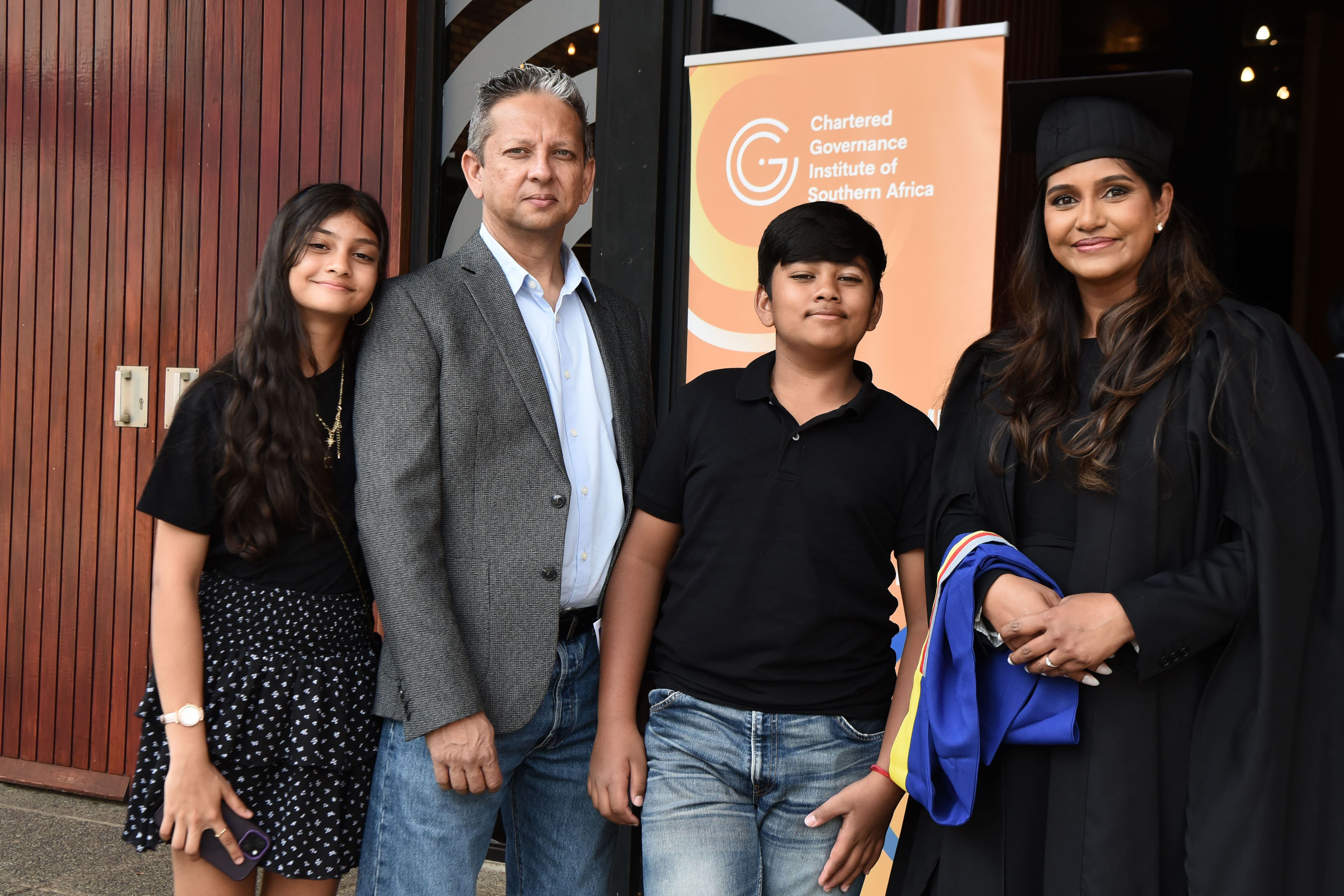
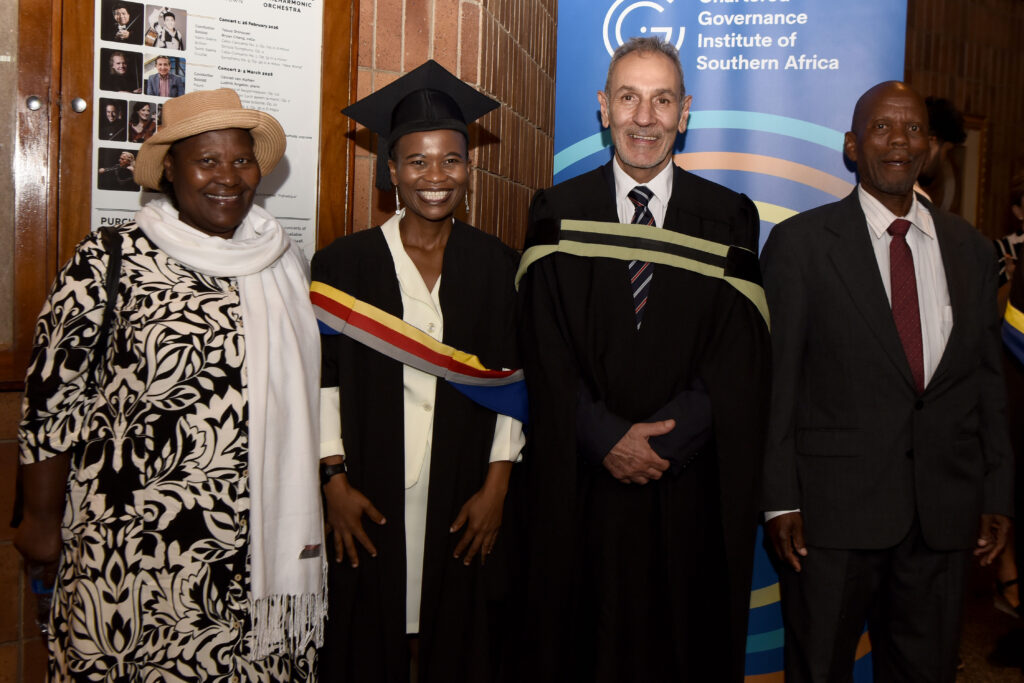
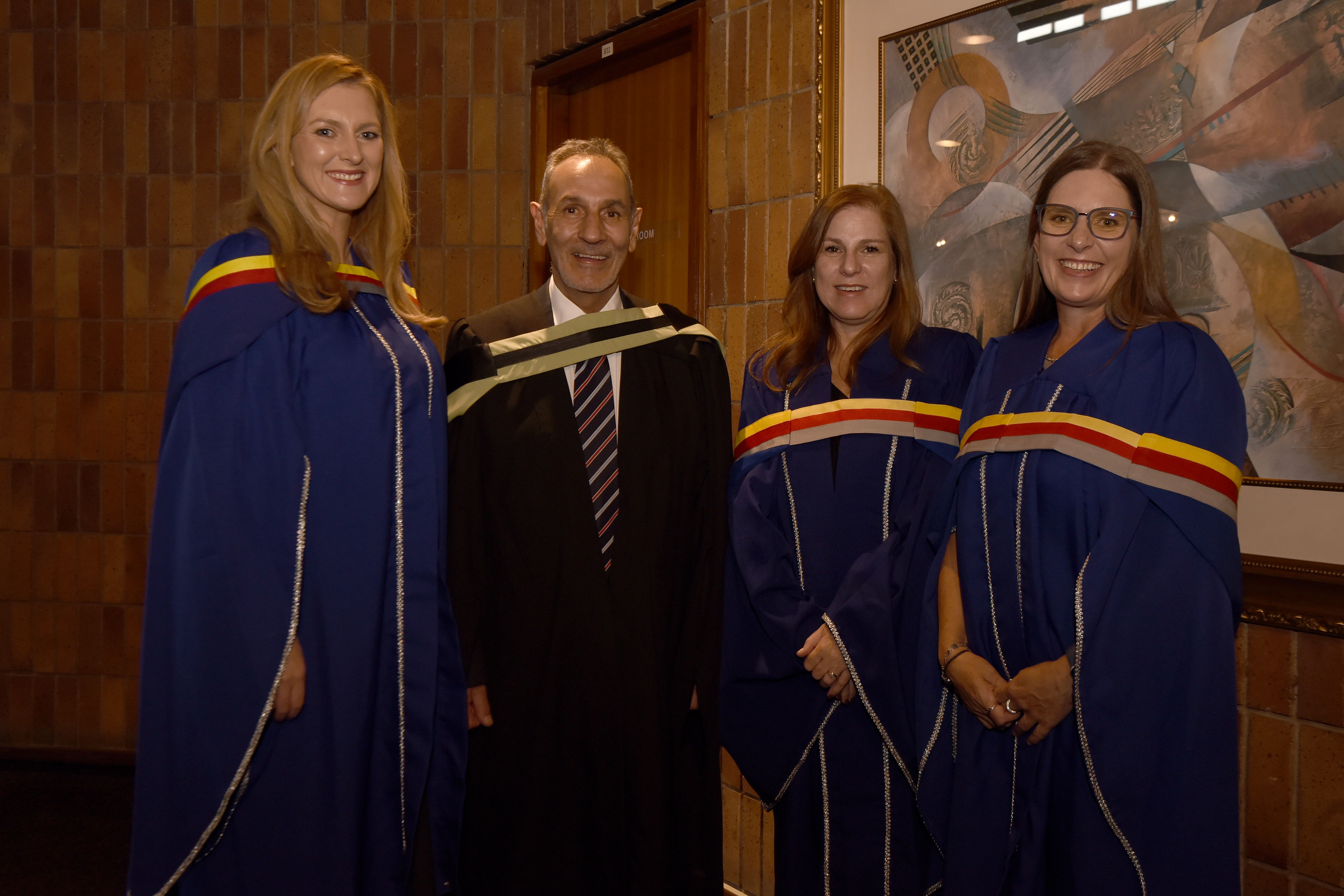
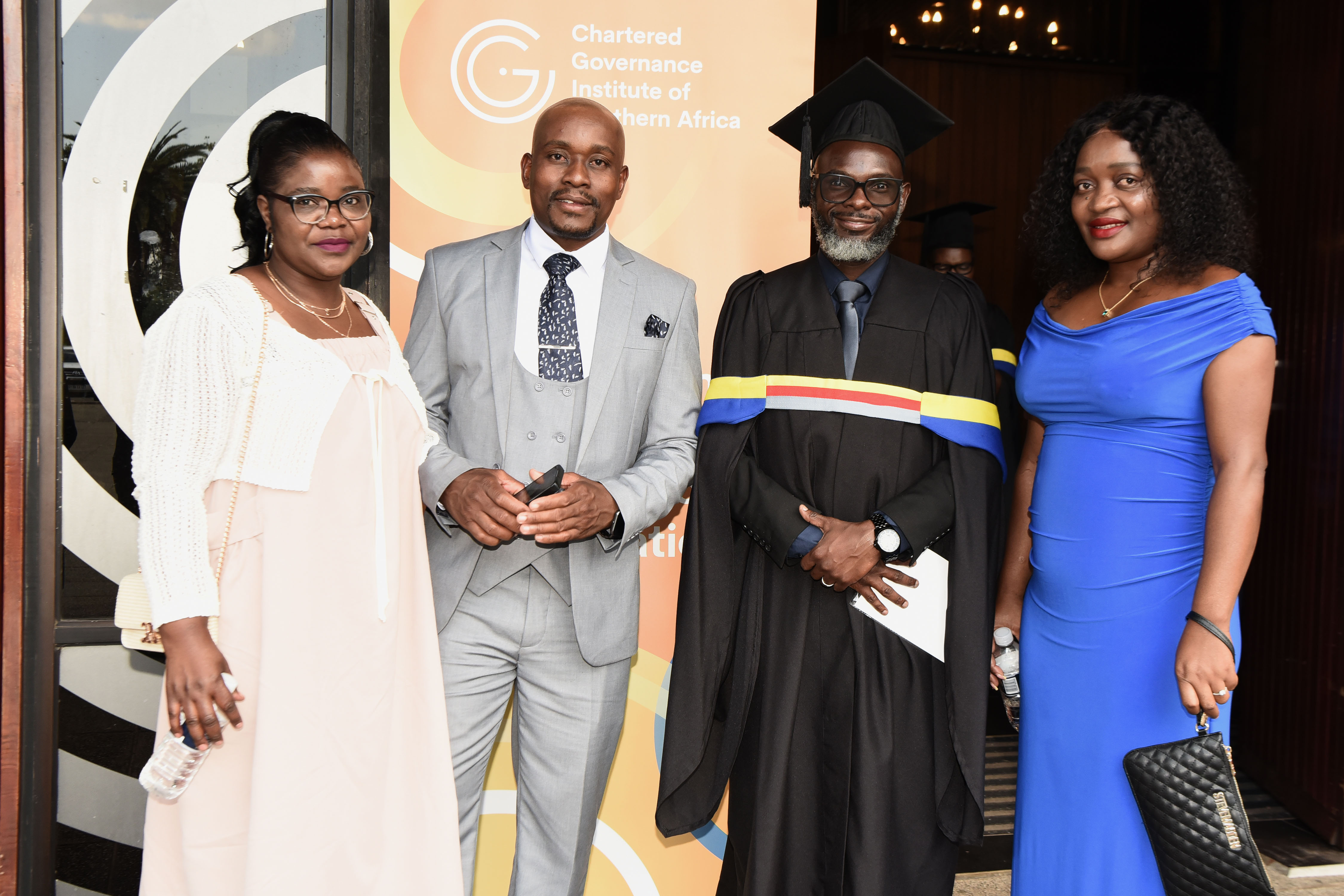
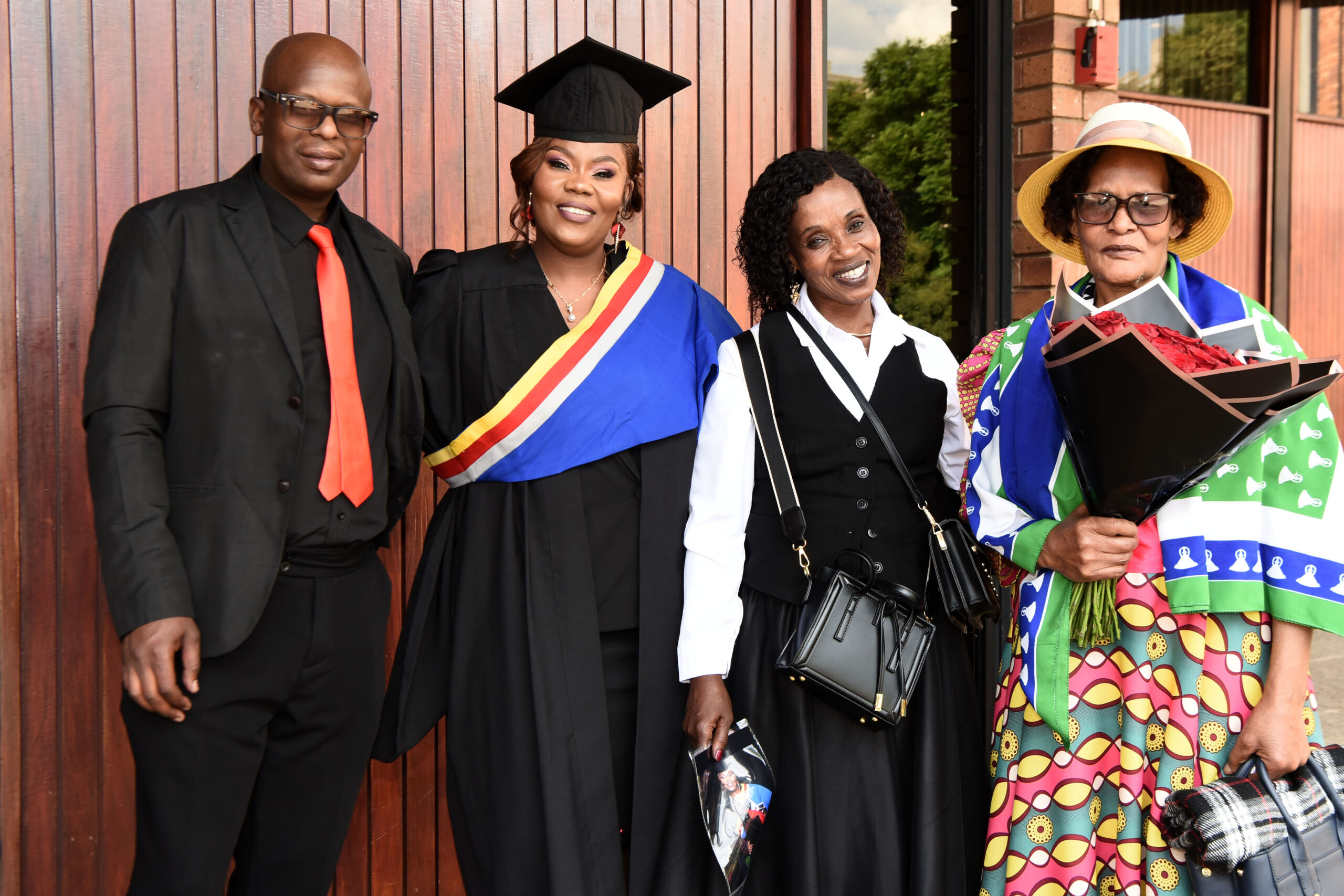
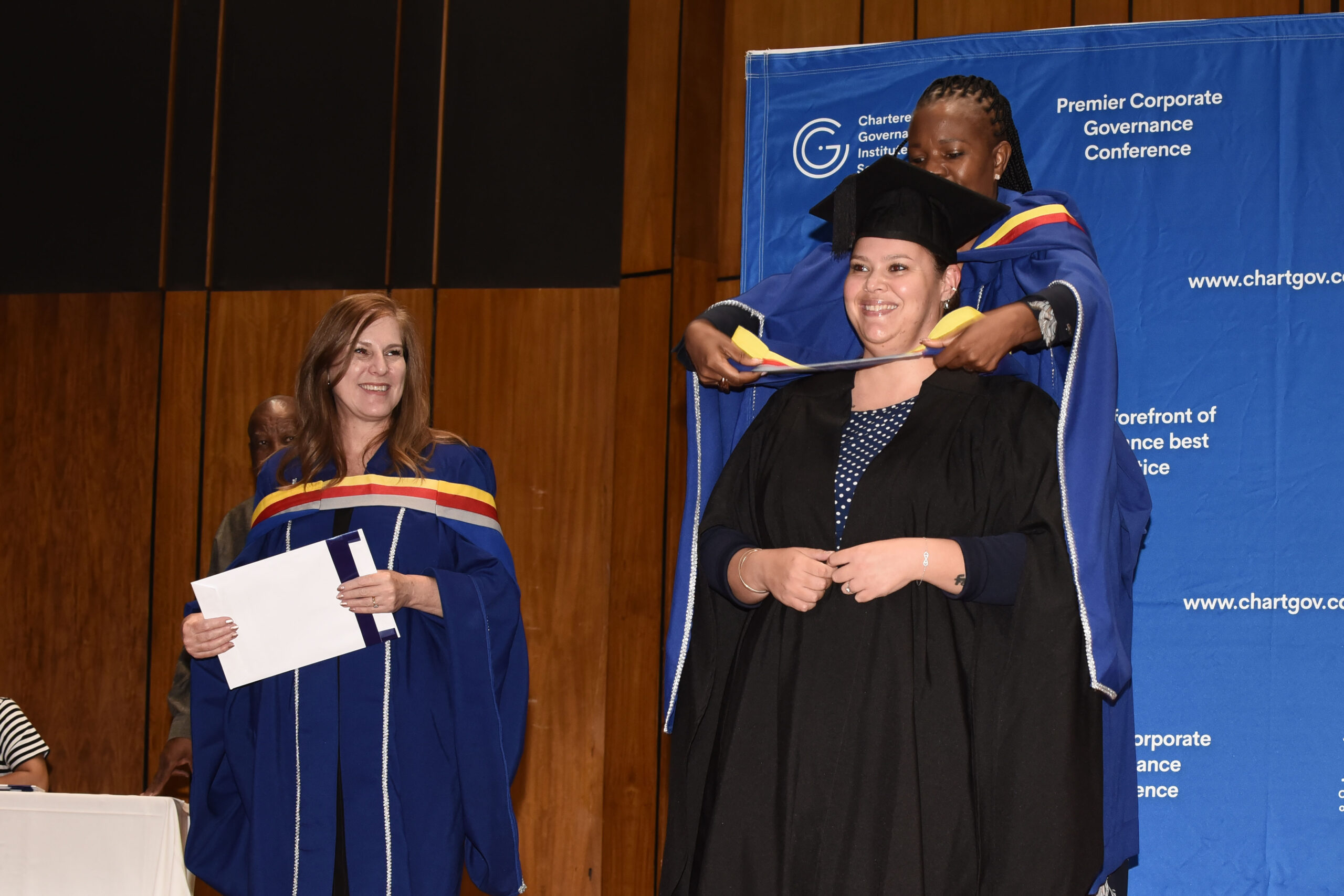
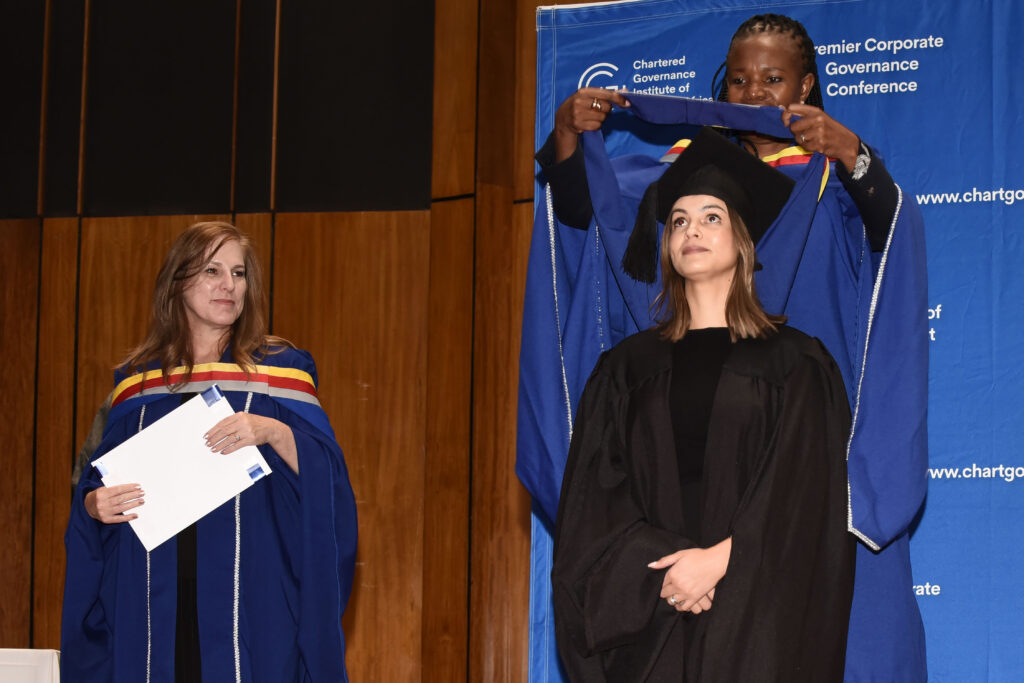
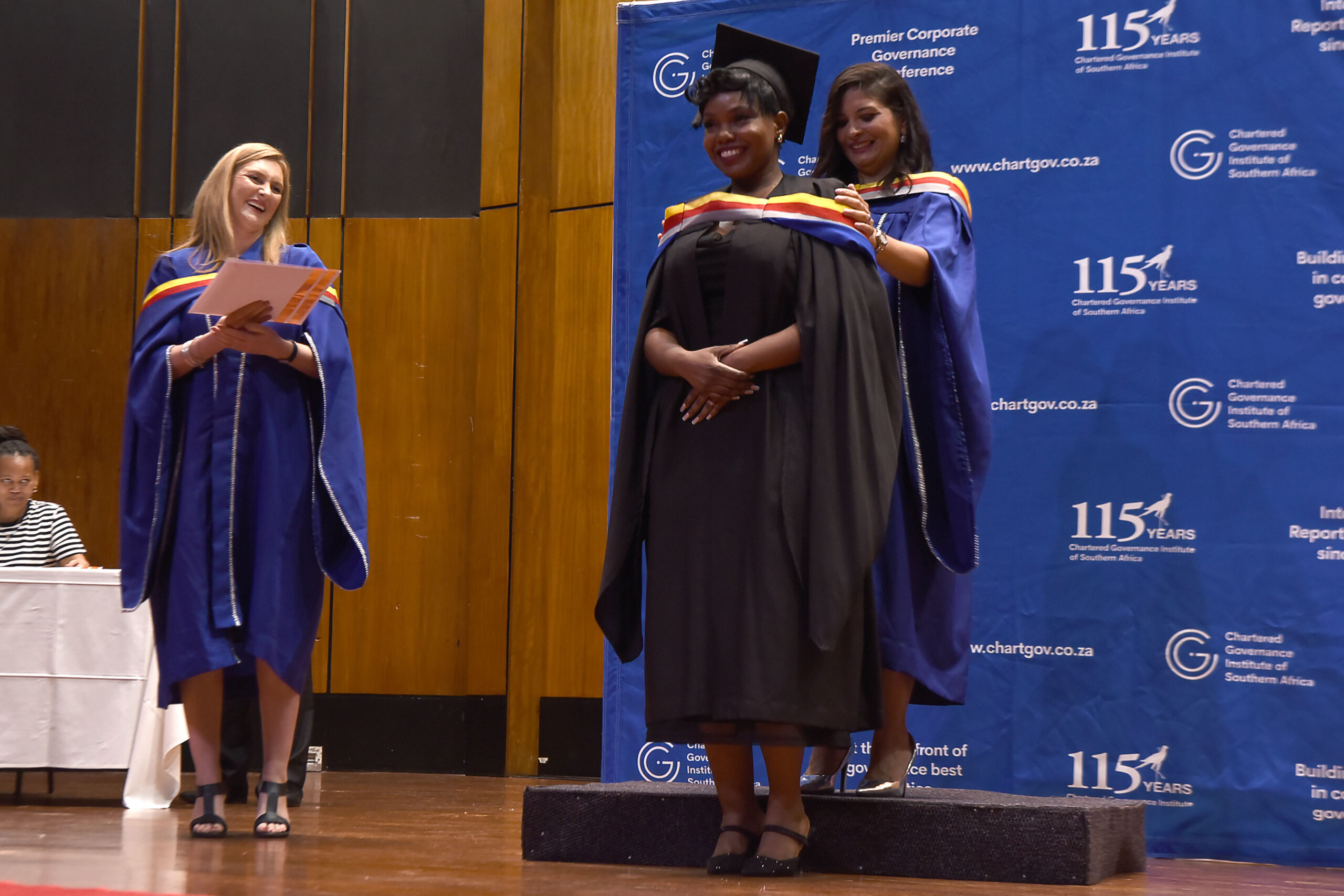
A graduation ceremony marks achievement, but it also signals accountability. On 19 February 2026, the Chartered Governance Institute of Southern Africa (CGISA) gathered at the Wits Linder Auditorium to recognise graduates. The moment celebrated discipline and resilience, but more importantly, it affirmed readiness for responsibility.
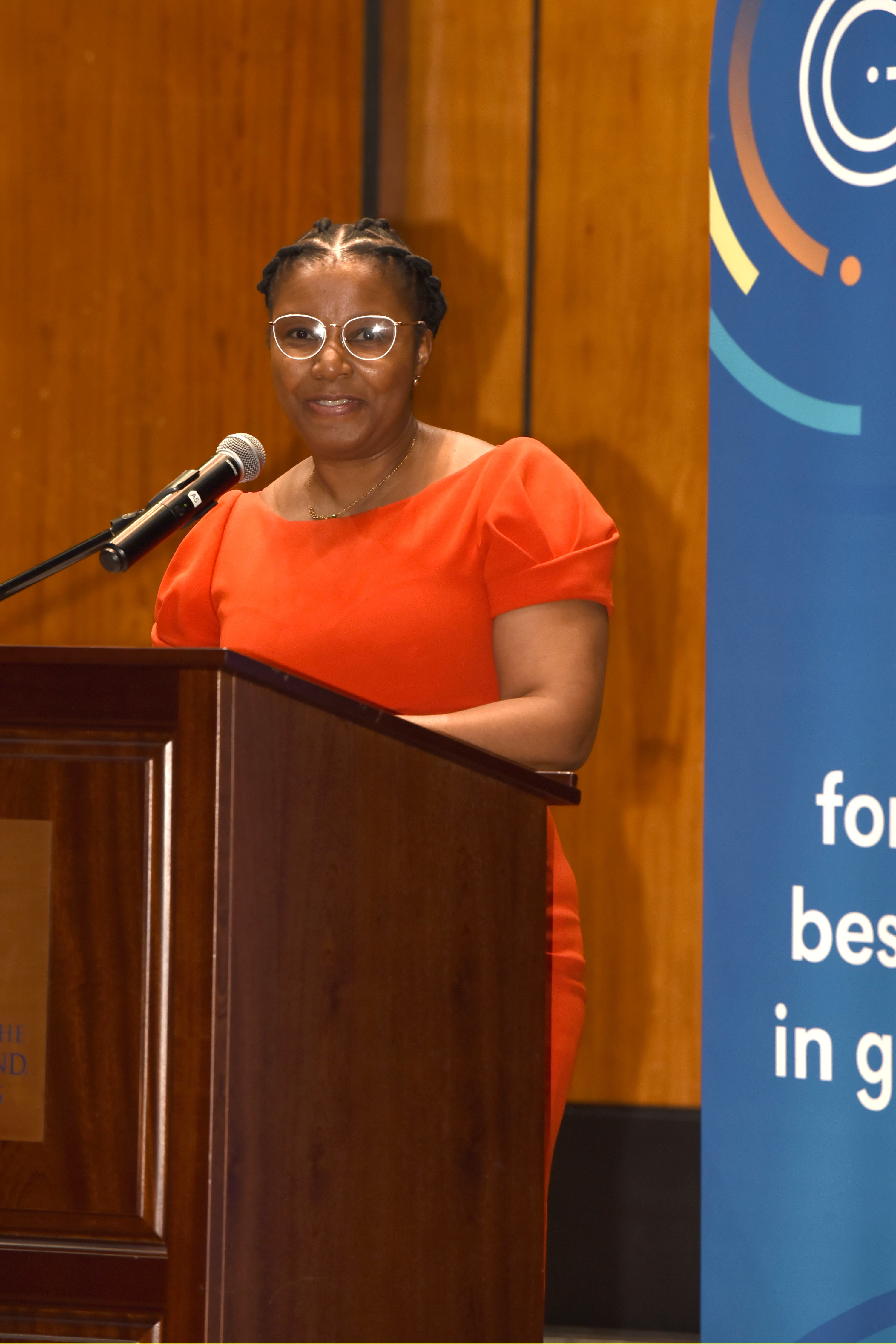
Amid the photographs, academic gowns, and proud families, a clear message emerged: governance is not peripheral to organisational success, it is central to public trust. President Deolinda da Silva reminded graduates that they now carry the duty of safeguarding ethical conduct, fairness, and strategic integrity within increasingly complex institutions.
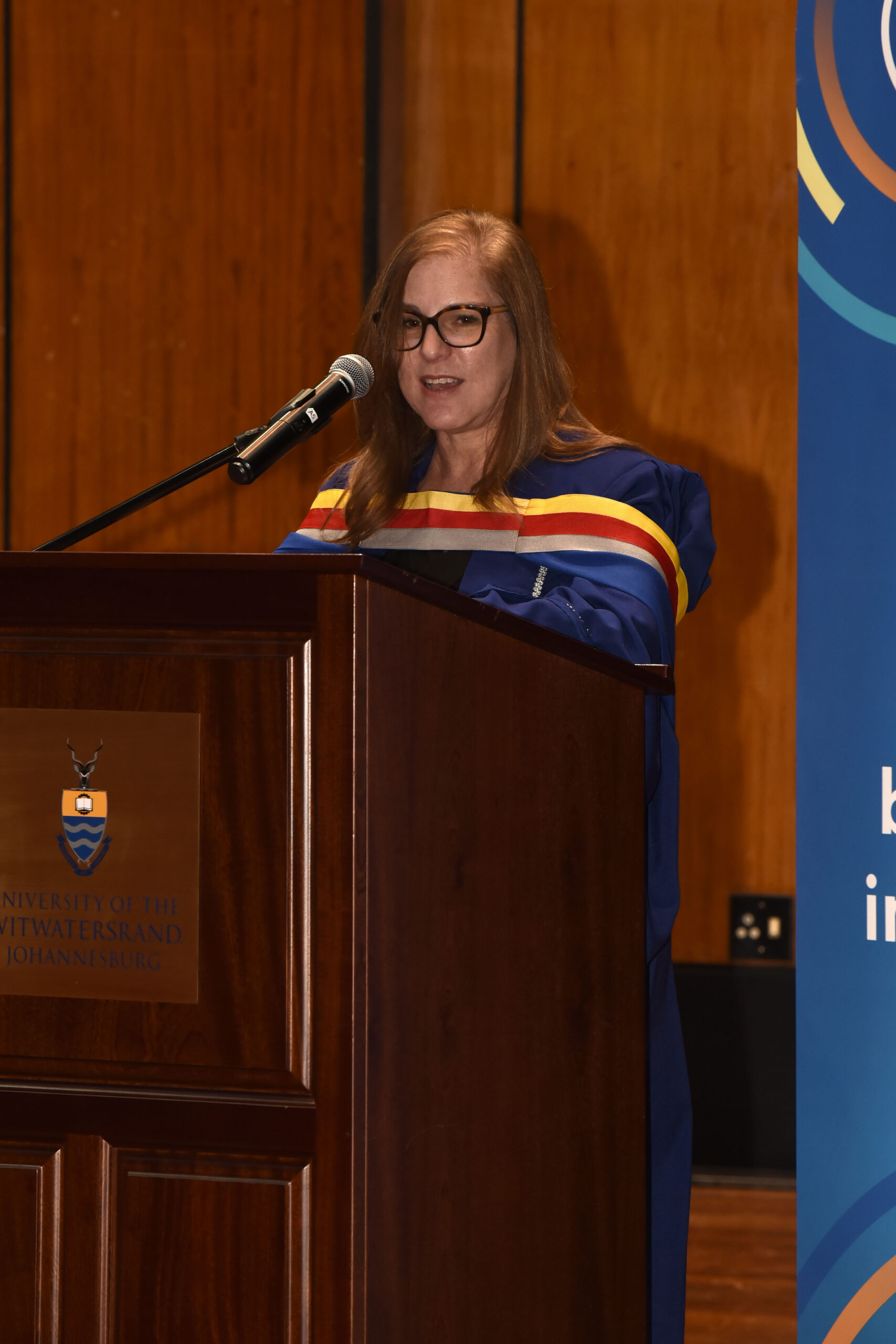
Lerato Manaka, Luvivi director, underscored that qualification is the starting point, not the summit. In an environment where governance failures have had profound societal consequences, professionals must choose courage over convenience. Ethical leadership demands voice, judgement, and the willingness to uphold standards even when pressured otherwise.
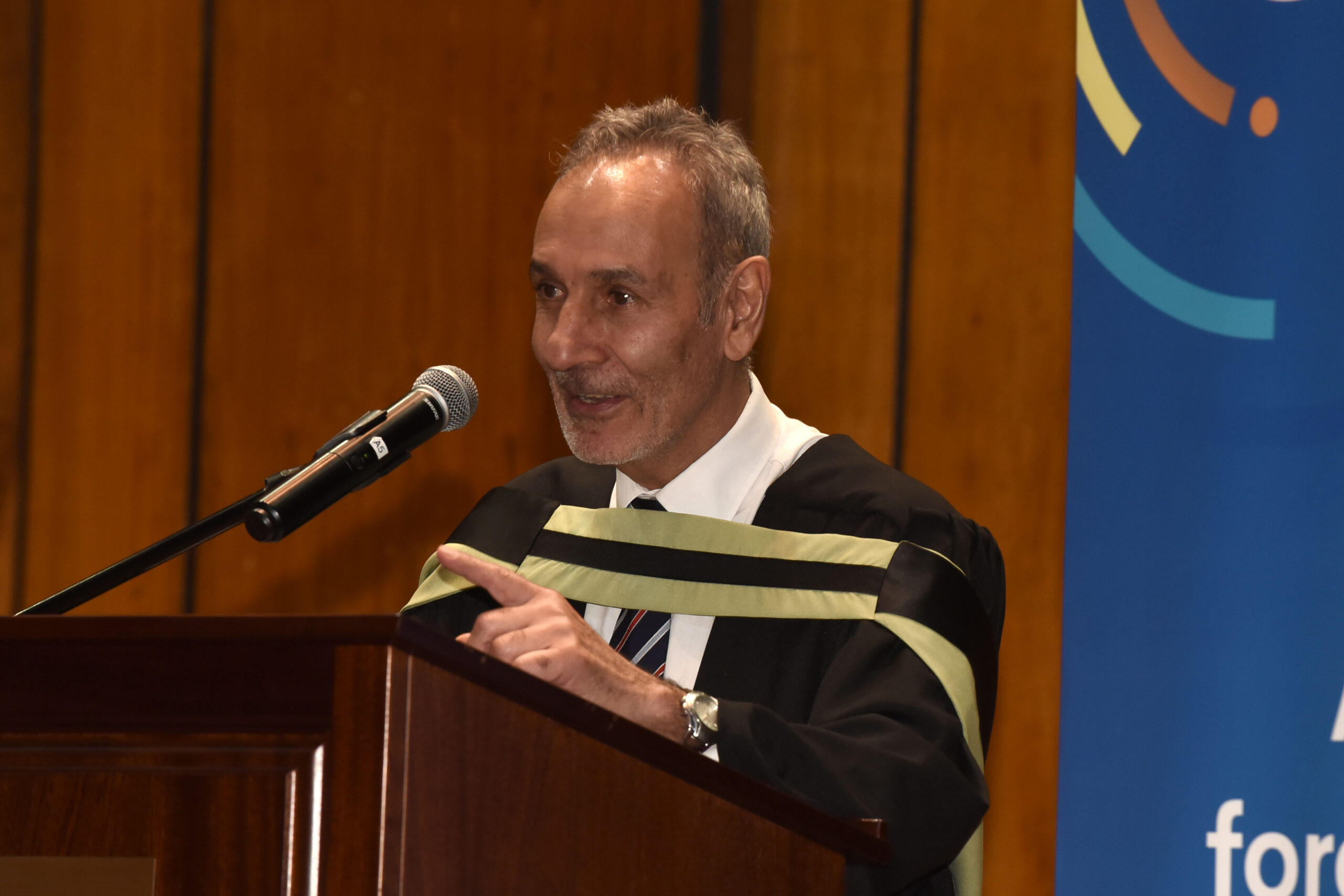
CEO Stephen Sadie reflected on the strength of South Africa’s governance frameworks, including the principles embedded in King V™, while acknowledging that frameworks alone do not prevent failure. Yet, despite having a world-class governance framework, South Africa continues to experience deep governance failures. The challenge, according to Sadie, is to close the gap between the King Reports and the governance reality on the ground. The challenge for all governance professionals is to close this gap.
He pointed to three urgent governance lapses. Firstly, the severe water governance challenges embodied by water shortages in Johannesburg in these past few weeks but also widespread throughout the country. According to Sadie, there are directors and company secretaries serving on water boards and entities such as Jhb Water who have not been preparing for these water emergencies over the past few years. Secondly, the Madlanga Commission and the ad hoc Parliamentary Committee have illustrated the poor governance at senior levels in the SAPS, the different factions at senior level and a complete breakdown in policing in the country. The third challenge facing company secretaries and other governance professionals is adapting to AI at board level and keeping abreast of the technology. Integrity
These three governance challenges are not isolated problems. They are governance challenges requiring ethical oversight, strategic courage, and professional accountability
Graduates left not only with certificates, but with a mandate. Their role is to strengthen institutions, protect trust, and model accountability. In doing so, they become part of a profession that shapes both organisational performance and societal confidence in leadership.